How to Get Your Carver Pool Ready for Spring: Essential Maintenance Tips

Essential spring maintenance tips to prepare your Carver pool for the season. Expert advice for a smooth opening and caring for your pool.

Spring is the perfect time to prepare your Carver pool for the warmer months. Here are essential maintenance tips to ensure your pool is ready for swimming season.

## How to Get Your Carver Pool Ready for Spring: Essential Maintenance Tips As the winter chill fades and warm weather approaches, it’s time to start thinking about your pool. For residents in Carver, preparing your pool for spring maintenance is key to ensuring a smooth transition into the swimming season. This guide will walk you through essential maintenance tips you can apply to get your pool ready for a fun and safe summer. ### 1. Assessing the Pool Area Before diving into pool-specific tasks, take time to assess the area surrounding your pool. Here are some important things to check: - **Inspect Pool Cover**: If you covered your pool for winter, inspect the cover for any rips or tears. Ensuring your cover is intact will prevent debris from entering the water. - **Clear Debris**: Remove any fallen leaves, branches, or other debris from the pool deck and surrounding area. This will help keep the water clean and ready for filling. ### 2. Water Quality Check Once your pool cover is off, it’s essential to test and balance the water chemistry. Here’s what you need to do: #### 2.1 Test the Water Utilize a reliable water testing kit to check the following parameters: - **pH Levels**: Aim for a pH level between 7.2 and 7.8. - **Chlorine Levels**: Free chlorine levels should be between 1-3 ppm. - **Alkalinity**: Total alkalinity should be between 80-120 ppm. #### 2.2 Adjust as Necessary Based on your test results, you may need to add chemicals to balance your pool water. Always follow the manufacturer's instructions and consult local experts if unsure. If you prefer, consider our [Maintenance Programs](/services/maintenance) for professional assistance. ### 3. Equipment Inspection and Maintenance Your pool's equipment is vital for its operation, so inspect and maintain the following: #### 3.1 Pump and Filter - **Inspect the Pump**: Look for any signs of wear and tear. Ensure that the pump is clean and free of debris. - **Clean the Filter**: Depending on the type of filter you have (sand, cartridge, or diatomaceous earth), follow the appropriate cleaning method. A clean filter ensures optimal water circulation and cleanliness. #### 3.2 Heating Equipment If you use a heater, check for any damage or leaks. If you’re planning to enjoy your pool early in the season, ensure your heating system is functioning properly. ### 4. Physical Pool Maintenance Now that your equipment and water quality are set, focus on the pool structure itself: #### 4.1 Inspect Pool Walls and Floor - **Look for Cracks**: Inspect the pool walls and floor for any cracks or structural damage. Inconsistent freezing temperatures during Massachusetts winters can contribute to issues over time. Early detection is key. - **Clean Surfaces**: Use a vacuum to clean the pool floor and a brush to scrub the walls. This prevents algae growth and prepares the surfaces for swimming. #### 4.2 Liner Check (If Applicable) Check the integrity of your pool liner. Inspect for any tears or signs of wear. - If you notice significant damage, consider [Liner Replacements](/services/liner-replacements) to ensure your pool’s longevity and aesthetic quality. ### 5. Setting Up Safety Measures Safety is paramount, with proper maintenance being essential to ensure a safe swimming environment: - **Install Barriers and Safety Covers**: Ensure that your pool has a proper barrier, especially if children are in the household. Safety covers can add an extra layer of protection when the pool is not in use. - **Check Lifesaving Equipment**: Ensure that floatation devices and first aid kits are accessible and in good condition. ### 6. Final Fill and Preparing for Use #### 6.1 Refilling Your Pool Once cleaning and adjustments are complete, it’s time to refill the pool: - Use a hose to fill the pool and monitor the water level as it rises. Ensure it reaches the correct level—typically at the midpoint of the skimmer. #### 6.2 Final Water Chemistry Check After filling the pool, re-test the water chemistry. Make necessary adjustments to ensure a safe swimming environment. ### 7. Consider Professional Help If the process feels overwhelming, consider hiring professionals for your spring maintenance. At Vista Swimming Pools, we offer comprehensive [Openings & Closings](/services/openings-closings) services, ensuring your pool is properly opened and ready for use every spring. Our experienced team will handle everything so you can relax. ### Conclusion With these essential maintenance tips, you’ll be well on your way to preparing your Carver pool for spring. A little preparation goes a long way in ensuring a safe, enjoyable summer of swimming. If you have any questions or need professional help, don’t hesitate to reach out for a consultation. ### Get a Free Estimate Interested in upgrading your pool or scheduling maintenance? Contact us today to [Get a Free Estimate](/quote) and let us help you enjoy your swimming season to the fullest! ## FAQs ### 1. How do I know when to open my pool for the spring? Wait until the temperature consistently stays above 60°F. This helps minimize algae growth. ### 2. What should I check before I start filling my pool? Inspect cover integrity, pool walls for cracks, and ensure your filtration system is functioning. ### 3. How often should I test my pool water? It’s best to test water chemistry at least once a week during the swimming season. ### 4. Can I maintain my pool myself? Yes! However, regular professional maintenance can help identify issues before they become significant problems. ### 5. What is the benefit of a maintenance program? A maintenance program ensures regular service and water quality checks, allowing you to enjoy your pool worry-free.
Frequently Asked Questions

How do I know when to open my pool for the spring?

Wait until the temperature consistently stays above 60°F. This helps minimize algae growth.

What should I check before I start filling my pool?

Inspect cover integrity, pool walls for cracks, and ensure your filtration system is functioning.

How often should I test my pool water?

It’s best to test water chemistry at least once a week during the swimming season.

Can I maintain my pool myself?

Yes! However, regular professional maintenance can help identify issues before they become significant problems.

What is the benefit of a maintenance program?

A maintenance program ensures regular service and water quality checks, allowing you to enjoy your pool worry-free.

Seasonal Care - Vista Swimming Pools
Seasonal CareMay 4, 20265 min read

How to Get Your Carver Pool Ready for Spring: Essential Maintenance Tips

Spring is the perfect time to prepare your Carver pool for the warmer months. Here are essential maintenance tips to ensure your pool is ready for swimming season.

How to Get Your Carver Pool Ready for Spring: Essential Maintenance Tips

As the winter chill fades and warm weather approaches, it’s time to start thinking about your pool. For residents in Carver, preparing your pool for spring maintenance is key to ensuring a smooth transition into the swimming season. This guide will walk you through essential maintenance tips you can apply to get your pool ready for a fun and safe summer.

1. Assessing the Pool Area

Before diving into pool-specific tasks, take time to assess the area surrounding your pool. Here are some important things to check:

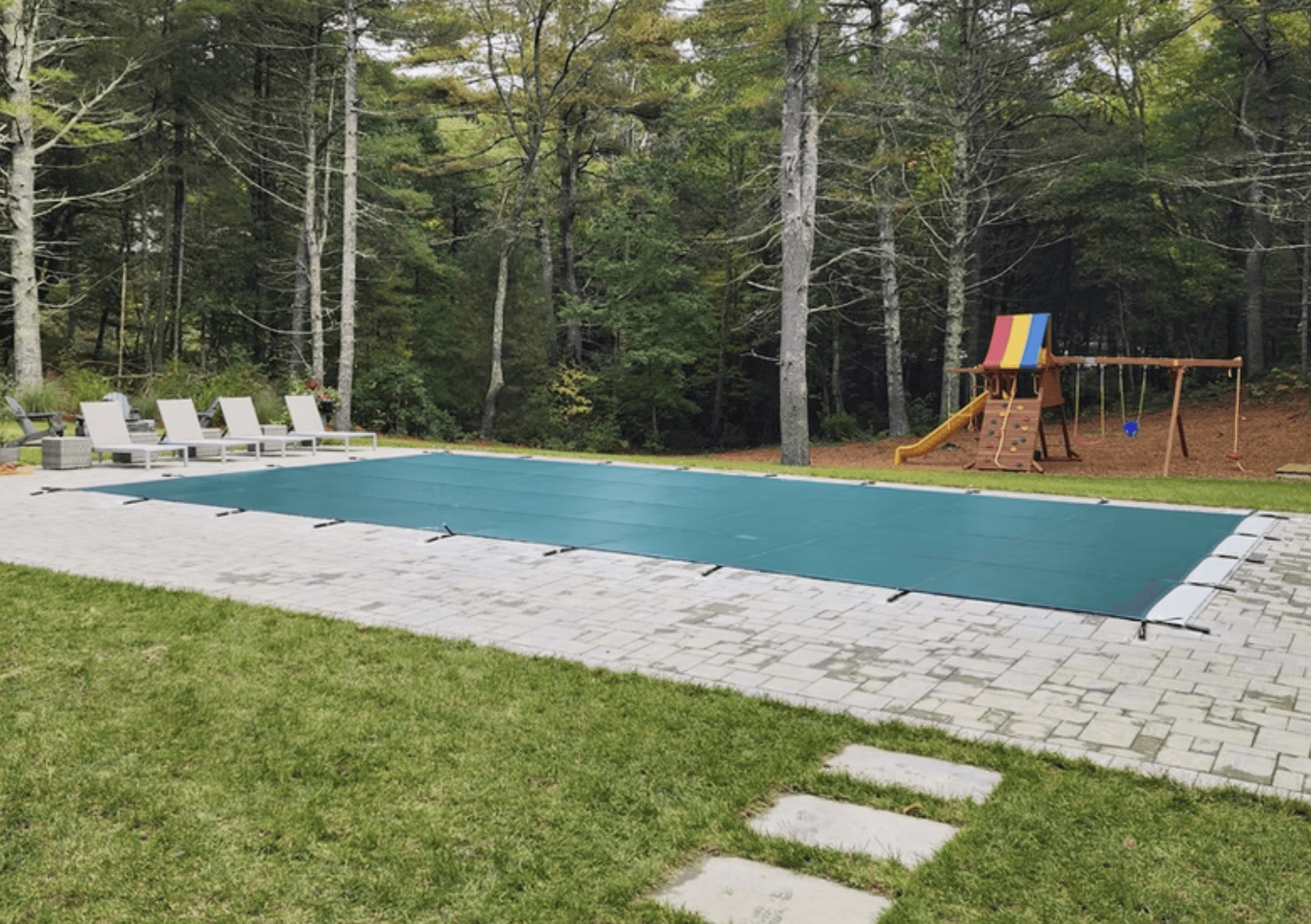
  • Inspect Pool Cover: If you covered your pool for winter, inspect the cover for any rips or tears. Ensuring your cover is intact will prevent debris from entering the water.
  • Clear Debris: Remove any fallen leaves, branches, or other debris from the pool deck and surrounding area. This will help keep the water clean and ready for filling.

2. Water Quality Check

Once your pool cover is off, it’s essential to test and balance the water chemistry. Here’s what you need to do:

#### 2.1 Test the Water

Utilize a reliable water testing kit to check the following parameters:

  • pH Levels: Aim for a pH level between 7.2 and 7.8.
  • Chlorine Levels: Free chlorine levels should be between 1-3 ppm.
  • Alkalinity: Total alkalinity should be between 80-120 ppm.

#### 2.2 Adjust as Necessary

Based on your test results, you may need to add chemicals to balance your pool water. Always follow the manufacturer's instructions and consult local experts if unsure. If you prefer, consider our Maintenance Programs for professional assistance.

3. Equipment Inspection and Maintenance

Your pool's equipment is vital for its operation, so inspect and maintain the following:

#### 3.1 Pump and Filter

  • Inspect the Pump: Look for any signs of wear and tear. Ensure that the pump is clean and free of debris.
  • Clean the Filter: Depending on the type of filter you have (sand, cartridge, or diatomaceous earth), follow the appropriate cleaning method. A clean filter ensures optimal water circulation and cleanliness.

#### 3.2 Heating Equipment

Seasonal Care project by Vista Swimming Pools

Vista Swimming PoolsSeasonal Care in Southeastern Massachusetts and Cape Cod

If you use a heater, check for any damage or leaks. If you’re planning to enjoy your pool early in the season, ensure your heating system is functioning properly.

4. Physical Pool Maintenance

Now that your equipment and water quality are set, focus on the pool structure itself:

#### 4.1 Inspect Pool Walls and Floor

  • Look for Cracks: Inspect the pool walls and floor for any cracks or structural damage. Inconsistent freezing temperatures during Massachusetts winters can contribute to issues over time. Early detection is key.
  • Clean Surfaces: Use a vacuum to clean the pool floor and a brush to scrub the walls. This prevents algae growth and prepares the surfaces for swimming.

#### 4.2 Liner Check (If Applicable)

Check the integrity of your pool liner. Inspect for any tears or signs of wear.

  • If you notice significant damage, consider Liner Replacements to ensure your pool’s longevity and aesthetic quality.

5. Setting Up Safety Measures

Safety is paramount, with proper maintenance being essential to ensure a safe swimming environment:

  • Install Barriers and Safety Covers: Ensure that your pool has a proper barrier, especially if children are in the household. Safety covers can add an extra layer of protection when the pool is not in use.
  • Check Lifesaving Equipment: Ensure that floatation devices and first aid kits are accessible and in good condition.

6. Final Fill and Preparing for Use

#### 6.1 Refilling Your Pool

Once cleaning and adjustments are complete, it’s time to refill the pool:

  • Use a hose to fill the pool and monitor the water level as it rises. Ensure it reaches the correct level—typically at the midpoint of the skimmer.

#### 6.2 Final Water Chemistry Check

After filling the pool, re-test the water chemistry. Make necessary adjustments to ensure a safe swimming environment.

7. Consider Professional Help
Seasonal Care services by Vista Swimming Pools

Professional pool services across Massachusetts

If the process feels overwhelming, consider hiring professionals for your spring maintenance. At Vista Swimming Pools, we offer comprehensive Openings & Closings services, ensuring your pool is properly opened and ready for use every spring. Our experienced team will handle everything so you can relax.

Conclusion

With these essential maintenance tips, you’ll be well on your way to preparing your Carver pool for spring. A little preparation goes a long way in ensuring a safe, enjoyable summer of swimming. If you have any questions or need professional help, don’t hesitate to reach out for a consultation.

Get a Free Estimate

Interested in upgrading your pool or scheduling maintenance? Contact us today to Get a Free Estimate and let us help you enjoy your swimming season to the fullest!

FAQs

1. How do I know when to open my pool for the spring?

Wait until the temperature consistently stays above 60°F. This helps minimize algae growth.

2. What should I check before I start filling my pool?

Inspect cover integrity, pool walls for cracks, and ensure your filtration system is functioning.

3. How often should I test my pool water?

It’s best to test water chemistry at least once a week during the swimming season.

4. Can I maintain my pool myself?

Yes! However, regular professional maintenance can help identify issues before they become significant problems.

5. What is the benefit of a maintenance program?

A maintenance program ensures regular service and water quality checks, allowing you to enjoy your pool worry-free.

Ready to Get Started?

Contact Vista Swimming Pools for a free, no-obligation estimate on your pool project. Over 20+ years of experience serving Southeastern Massachusetts and Cape Cod.
FAQ

Frequently Asked Questions

Common questions related to how to get your carver pool ready for spring: essential maintenance tips

Still have questions? We're here to help.

Get in Touch