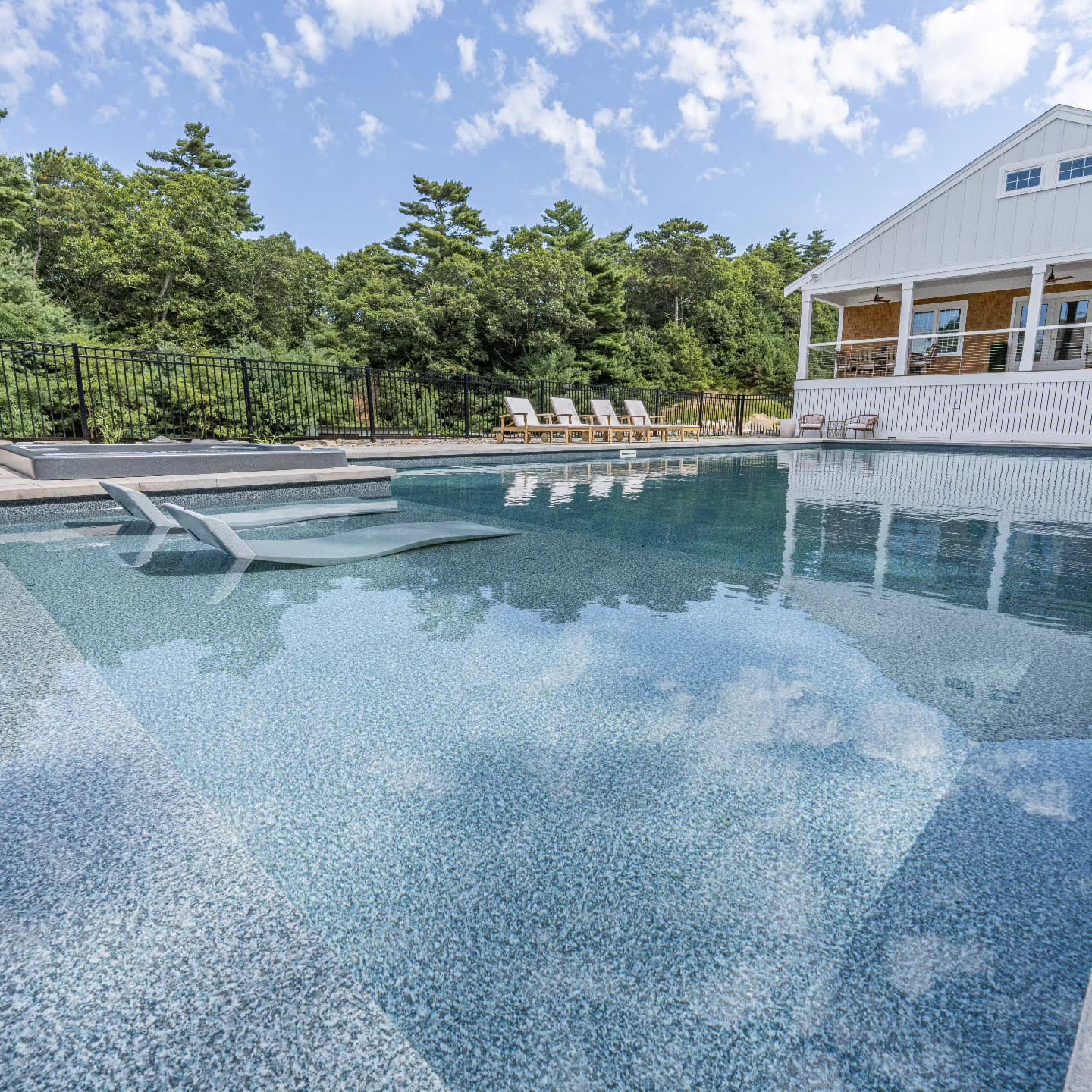
Why Is My Hanson Pool Losing Water Every Day in Late Summer — Evaporation or a Leak?

Pool losing water in Hanson MA? Learn how to tell evaporation from a real leak, plus local late-summer tips from Vista Swimming Pools. 150 chars.

Noticing your Hanson pool dropping an inch or more every day in late summer? Here's how to tell the difference between normal evaporation and a leak that needs fixing before you close.

Key Takeaways

## Your Pool Is Losing Water — Now What? If you're a Hanson, MA pool owner staring at your waterline every morning and wondering why it keeps dropping, you're not imagining things. Pool water loss in Hanson is one of the most common calls we get from late July through Labor Day — right when the season is at its peak and the last thing you want is a problem. The question I get over and over is simple: is this normal evaporation, or do I have a leak? The answer matters, because one costs you nothing and one can cost you thousands if you ignore it long enough. I've been building and servicing pools across Southeastern Massachusetts for over 20 years, and Hanson pools have their own set of quirks. Between the sandy glacial soils, the mature oak and pine canopy on so many lots, and the late-summer heat waves that push humidity through the roof, diagnosing water loss here isn't always straightforward. Let me walk you through exactly how to figure out what's happening in your backyard. ## How Much Water Loss Is Actually Normal? Here's a number worth remembering: in typical New England summer conditions, an uncovered pool loses between one-quarter inch and one-half inch of water per day to evaporation alone. On a hot, dry, breezy late-August day in Hanson — the kind where the temperature hits 90 and the southwest wind picks up off Route 58 — that can push toward three-quarters of an inch. If you're running a spa with jets and aeration, add even more. So if your pool is dropping about a half-inch per day and you've been swimming hard all week, that's likely evaporation. If you're seeing an inch or more per day, or the loss is consistent regardless of whether anyone used the pool, that's a red flag worth investigating. ### The Bucket Test: Your First Step Before you call anyone, run the bucket test. It takes 24 hours and costs nothing: 1. Fill a five-gallon bucket with pool water and set it on the first or second step of your pool. 2. Mark the water level inside the bucket and on the pool wall with a piece of tape or a grease pencil. 3. Turn off the auto-fill valve if you have one, and leave the pool pump running normally. 4. After 24 hours, measure the difference between where the water dropped inside the bucket versus in the pool. If both dropped the same amount, evaporation is your culprit. If the pool dropped significantly more than the bucket, you have a leak somewhere. Simple test, reliable results — I've had homeowners across the South Shore avoid expensive service calls just by doing this first. ## What Causes Leaks in Hanson Pools Specifically? Hanson sits on glacial till, and if you've dug a pool here you know what that means: dense, sandy soil layered over boulders and cobble left behind by the last ice sheet. We've hit ledge on jobs where the survey showed nothing. That subsurface variability matters for leaks because soils that drain fast — like the sandy loam common through much of Hanson — can wick water away from a small crack quickly and quietly. You may not see wet ground or soggy patches even with a meaningful leak rate. Here are the most common leak sources we find on late-summer service calls in this area: ### Vinyl Liner Tears and Seam Failures Most Hanson pools are vinyl liner installations. Liners that are seven or more years old have typically lost significant plasticizer and become brittle, especially around fittings, steps, and corners. Late summer is actually the highest-risk time for liner damage — swimmers are in and out constantly, pool toys scrape the walls, and UV exposure has been accumulating all season. A pinhole along a return fitting or a hairline seam split is often invisible underwater until you know to look. Get in the water and run your fingers slowly around every fitting, skimmer throat, main drain cover, and step edge. Use a few drops of red food dye near any suspicious area — if the dye streams toward a spot, that's your leak. If your liner is showing its age, our [liner replacement services](/services/liner-replacements) can get you sorted before closing season. ### Skimmer and Return Fittings Plastic skimmer bodies crack. On pools with older equipment, the sealant between the skimmer throat and the liner face plate dries out and separates. This is a slow leak — maybe a quarter-inch per day — but it adds up fast over a week of peak usage. Check the faceplate screws and run the dye test around the full perimeter of the skimmer opening. ### Plumbing Line Leaks This is where Hanson's frost depth becomes relevant. Massachusetts building code and practical experience both point to a 48-inch frost depth here on the South Shore. Pool plumbing should be buried well below that, but older installations or repairs done by less careful contractors sometimes have shallow runs or poor joint work. Freeze-thaw cycles over many winters can work PVC joints loose over time, and by late summer you may finally be seeing the result. Underground plumbing leaks require pressure testing to confirm — this is not a DIY repair. ### Equipment Pad Leaks Check your equipment pad carefully. Salt air accelerates corrosion on pump housings, filter tanks, heater connections, and unions — and while Hanson isn't oceanfront, coastal air patterns move inland across the South Shore and we see corroded equipment on plenty of inland properties. A weeping union or a hairline crack in a filter tank can lose water steadily without ever creating a puddle visible to a casual glance. If you have an older gas heater with copper connections showing green oxidation, that's worth a close look. We cover equipment inspection and seasonal checks in detail on our [Troubleshooting Common Pool Maintenance Issues in Marshfield](/blog/troubleshooting-pool-maintenance-marshfield) post, and a lot of that guidance applies directly to Hanson pools as well. ## Late Summer Makes This Harder to Diagnose August and early September in Hanson means high evaporation rates, high bather load, and water that's being splashed out during heavy swim days. All three of those mask a slow leak effectively. I've had homeowners add several hundred gallons a week with their auto-fill and not notice the loss until their water bill showed up. If you have an auto-fill valve, shut it off for 24 hours while you run the bucket test. The auto-fill is convenient but it masks leaks completely — your pool can be losing a full inch a day and the waterline will look perfectly steady. For deeper context on caring for pool equipment through the season, [Best Practices for Pool Equipment Care in Duxbury](/blog/best-practices-pool-equipment-care-duxbury) has solid guidance on what to inspect before late-season stress shows up. ## What To Do If the Bucket Test Points to a Leak Step one: stop adding water beyond what's needed to keep the pump primed and the returns submerged. Adding water to a leaking pool dilutes your chemistry and can introduce excess phosphates, but more importantly, it delays the diagnosis. Step two: call a pool professional for a pressure test and dye inspection. A qualified technician will pressurize each plumbing line individually to isolate whether the leak is structural (liner or shell) or in the plumbing. This is not an expensive test and it will save you money compared to guessing. Step three: think about timing. Labor Day weekend is coming, and closing a leaking pool without repairing the leak first is a mistake. Water sitting behind a torn liner all winter can compromise the pool wall, and a leaking plumbing run exposed to a Hanson winter at our frost depths can turn a simple repair into a full excavation job in the spring. Our [Hanson pool services](/areas/hanson) team handles leak detection, liner repairs, and pre-closing inspections — we know the local conditions and we can usually schedule a service call within the week during late summer. ## Getting Ready to Close: Don't Let This Wait Mid-September is the realistic closing window for most Hanson pools without a heater. If you're losing water now, the window for a clean repair before winterization is shrinking. A liner repair done in September is straightforward. The same repair attempted on a pool that's been sitting through a wet October is messier and more expensive. If you want a full pre-closing inspection built into your season-end service, our [pool maintenance program](/services/maintenance) and [openings and closings service](/services/openings-closings) both include equipment checks and liner walk-throughs. We'll catch small problems before they become winter problems. ## Get Eyes on It Before You Close If you've read this far and you're still not sure what you're dealing with, the honest answer is: get a professional out before you close the pool. A 20-minute on-site evaluation is worth far more than a winter spent wondering whether you'll open to a collapsed wall or a displaced liner in May. [Get a Free Estimate](/quote) and let us take a look before the season ends. We're local, we know these properties, and we'll give you a straight answer.

Frequently Asked Questions

How much water should my Hanson pool lose per day in summer?

Between one-quarter and one-half inch per day is normal evaporation in typical South Shore summer conditions. Consistently losing an inch or more per day — especially on calm, humid days — suggests a leak.

How do I know if my pool is leaking or just evaporating?

Run the bucket test: place a water-filled bucket on your pool step, mark both water levels, and compare the drop after 24 hours. If the pool drops more than the bucket, you have a leak.

Can I close my Hanson pool if it's leaking?

You should repair the leak first. Closing a leaking pool traps water behind or beneath the liner all winter, which can damage pool walls and make a simple repair into a costly spring excavation.

What causes pool leaks in Hanson MA specifically?

The most common causes are cracked vinyl liner seams or fittings, failed skimmer body seals, and compromised plumbing joints. Hanson's fast-draining sandy glacial soils mean leaking water disappears underground quickly with no visible puddles.

When should I call a professional for pool water loss in Hanson?

If the bucket test confirms your pool is losing more water than the bucket, call for a pressure test and dye inspection. Don't wait past early September — repair windows before winterization close fast on the South Shore.

Maintenance - Vista Swimming Pools
MaintenanceHanson, South ShoreAugust 6, 20268 min read

Why Is My Hanson Pool Losing Water Every Day in Late Summer — Evaporation or a Leak?

Noticing your Hanson pool dropping an inch or more every day in late summer? Here's how to tell the difference between normal evaporation and a leak that needs fixing before you close.

Written by Tayler Voegtlin

Founder & third-generation pool builder, 20+ years serving Southeastern Massachusetts and Cape Cod

Key Takeaways

  • A pool losing more than half an inch of water per day in late summer is likely leaking, not just evaporating.
  • The bucket test — matching water loss in a poolside bucket versus the pool itself — is a free, reliable 24-hour diagnostic any homeowner can do.
  • Hanson's fast-draining glacial sandy soils can wick away a leaking pool's water with no visible wet spots on the surface, making leaks easier to miss.
  • Shutting off your auto-fill valve before running the bucket test is required — an active auto-fill completely masks water loss.
  • Repairing a liner or plumbing leak before closing in September is significantly simpler and less costly than addressing a problem that has sat through a Massachusetts winter at 48-inch frost depth.

Your Pool Is Losing Water — Now What?

If you're a Hanson, MA pool owner staring at your waterline every morning and wondering why it keeps dropping, you're not imagining things. Pool water loss in Hanson is one of the most common calls we get from late July through Labor Day — right when the season is at its peak and the last thing you want is a problem. The question I get over and over is simple: is this normal evaporation, or do I have a leak? The answer matters, because one costs you nothing and one can cost you thousands if you ignore it long enough.

I've been building and servicing pools across Southeastern Massachusetts for over 20 years, and Hanson pools have their own set of quirks. Between the sandy glacial soils, the mature oak and pine canopy on so many lots, and the late-summer heat waves that push humidity through the roof, diagnosing water loss here isn't always straightforward. Let me walk you through exactly how to figure out what's happening in your backyard.

How Much Water Loss Is Actually Normal?

Here's a number worth remembering: in typical New England summer conditions, an uncovered pool loses between one-quarter inch and one-half inch of water per day to evaporation alone. On a hot, dry, breezy late-August day in Hanson — the kind where the temperature hits 90 and the southwest wind picks up off Route 58 — that can push toward three-quarters of an inch. If you're running a spa with jets and aeration, add even more.

So if your pool is dropping about a half-inch per day and you've been swimming hard all week, that's likely evaporation. If you're seeing an inch or more per day, or the loss is consistent regardless of whether anyone used the pool, that's a red flag worth investigating.

The Bucket Test: Your First Step

Before you call anyone, run the bucket test. It takes 24 hours and costs nothing:

  • Fill a five-gallon bucket with pool water and set it on the first or second step of your pool.
  • Mark the water level inside the bucket and on the pool wall with a piece of tape or a grease pencil.
  • Turn off the auto-fill valve if you have one, and leave the pool pump running normally.
  • After 24 hours, measure the difference between where the water dropped inside the bucket versus in the pool.

If both dropped the same amount, evaporation is your culprit. If the pool dropped significantly more than the bucket, you have a leak somewhere. Simple test, reliable results — I've had homeowners across the South Shore avoid expensive service calls just by doing this first.

What Causes Leaks in Hanson Pools Specifically?

Hanson sits on glacial till, and if you've dug a pool here you know what that means: dense, sandy soil layered over boulders and cobble left behind by the last ice sheet. We've hit ledge on jobs where the survey showed nothing. That subsurface variability matters for leaks because soils that drain fast — like the sandy loam common through much of Hanson — can wick water away from a small crack quickly and quietly. You may not see wet ground or soggy patches even with a meaningful leak rate.
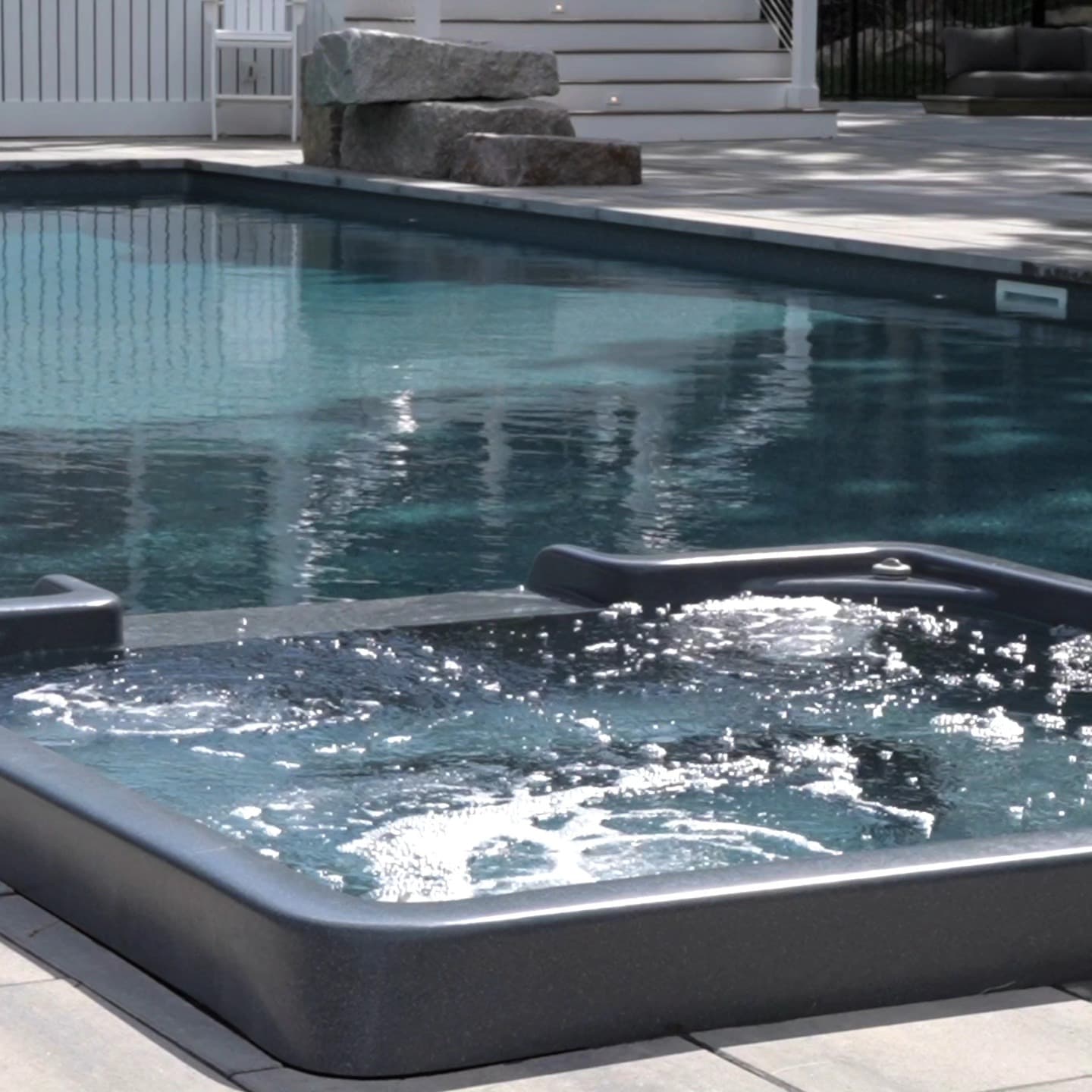
Maintenance project by Vista Swimming Pools

Vista Swimming PoolsMaintenance in Southeastern Massachusetts and Cape Cod

Here are the most common leak sources we find on late-summer service calls in this area:

Vinyl Liner Tears and Seam Failures

Most Hanson pools are vinyl liner installations. Liners that are seven or more years old have typically lost significant plasticizer and become brittle, especially around fittings, steps, and corners. Late summer is actually the highest-risk time for liner damage — swimmers are in and out constantly, pool toys scrape the walls, and UV exposure has been accumulating all season. A pinhole along a return fitting or a hairline seam split is often invisible underwater until you know to look.

Get in the water and run your fingers slowly around every fitting, skimmer throat, main drain cover, and step edge. Use a few drops of red food dye near any suspicious area — if the dye streams toward a spot, that's your leak. If your liner is showing its age, our liner replacement services can get you sorted before closing season.

Skimmer and Return Fittings

Plastic skimmer bodies crack. On pools with older equipment, the sealant between the skimmer throat and the liner face plate dries out and separates. This is a slow leak — maybe a quarter-inch per day — but it adds up fast over a week of peak usage. Check the faceplate screws and run the dye test around the full perimeter of the skimmer opening.

Plumbing Line Leaks

This is where Hanson's frost depth becomes relevant. Massachusetts building code and practical experience both point to a 48-inch frost depth here on the South Shore. Pool plumbing should be buried well below that, but older installations or repairs done by less careful contractors sometimes have shallow runs or poor joint work. Freeze-thaw cycles over many winters can work PVC joints loose over time, and by late summer you may finally be seeing the result. Underground plumbing leaks require pressure testing to confirm — this is not a DIY repair.

Equipment Pad Leaks

Check your equipment pad carefully. Salt air accelerates corrosion on pump housings, filter tanks, heater connections, and unions — and while Hanson isn't oceanfront, coastal air patterns move inland across the South Shore and we see corroded equipment on plenty of inland properties. A weeping union or a hairline crack in a filter tank can lose water steadily without ever creating a puddle visible to a casual glance. If you have an older gas heater with copper connections showing green oxidation, that's worth a close look.

We cover equipment inspection and seasonal checks in detail on our Troubleshooting Common Pool Maintenance Issues in Marshfield post, and a lot of that guidance applies directly to Hanson pools as well.

Late Summer Makes This Harder to Diagnose

August and early September in Hanson means high evaporation rates, high bather load, and water that's being splashed out during heavy swim days. All three of those mask a slow leak effectively. I've had homeowners add several hundred gallons a week with their auto-fill and not notice the loss until their water bill showed up.
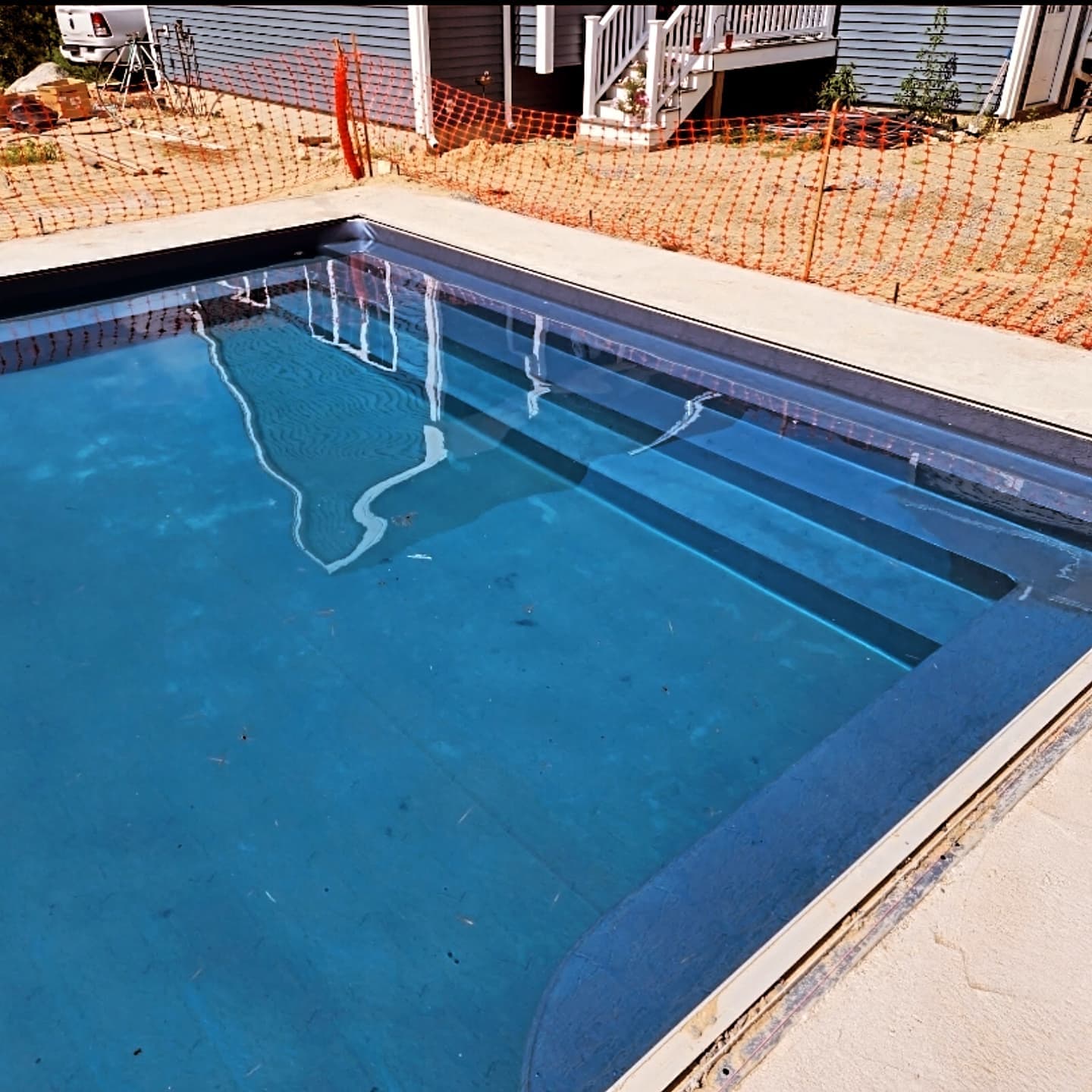
Maintenance services by Vista Swimming Pools

Professional pool services across Massachusetts

If you have an auto-fill valve, shut it off for 24 hours while you run the bucket test. The auto-fill is convenient but it masks leaks completely — your pool can be losing a full inch a day and the waterline will look perfectly steady.

For deeper context on caring for pool equipment through the season, Best Practices for Pool Equipment Care in Duxbury has solid guidance on what to inspect before late-season stress shows up.

What To Do If the Bucket Test Points to a Leak

Step one: stop adding water beyond what's needed to keep the pump primed and the returns submerged. Adding water to a leaking pool dilutes your chemistry and can introduce excess phosphates, but more importantly, it delays the diagnosis.

Step two: call a pool professional for a pressure test and dye inspection. A qualified technician will pressurize each plumbing line individually to isolate whether the leak is structural (liner or shell) or in the plumbing. This is not an expensive test and it will save you money compared to guessing.

Step three: think about timing. Labor Day weekend is coming, and closing a leaking pool without repairing the leak first is a mistake. Water sitting behind a torn liner all winter can compromise the pool wall, and a leaking plumbing run exposed to a Hanson winter at our frost depths can turn a simple repair into a full excavation job in the spring.

Our Hanson pool services team handles leak detection, liner repairs, and pre-closing inspections — we know the local conditions and we can usually schedule a service call within the week during late summer.

Getting Ready to Close: Don't Let This Wait

Mid-September is the realistic closing window for most Hanson pools without a heater. If you're losing water now, the window for a clean repair before winterization is shrinking. A liner repair done in September is straightforward. The same repair attempted on a pool that's been sitting through a wet October is messier and more expensive.

If you want a full pre-closing inspection built into your season-end service, our pool maintenance program and openings and closings service both include equipment checks and liner walk-throughs. We'll catch small problems before they become winter problems.

Get Eyes on It Before You Close

If you've read this far and you're still not sure what you're dealing with, the honest answer is: get a professional out before you close the pool. A 20-minute on-site evaluation is worth far more than a winter spent wondering whether you'll open to a collapsed wall or a displaced liner in May.

Get a Free Estimate and let us take a look before the season ends. We're local, we know these properties, and we'll give you a straight answer.

Ready to Get Started?

Contact Vista Swimming Pools for a free, no-obligation estimate on your pool project. Over 20+ years of experience serving Southeastern Massachusetts and Cape Cod.
FAQ

Frequently Asked Questions

Common questions related to why is my hanson pool losing water every day in late summer — evaporation or a leak?

Still have questions? We're here to help.

Get in Touch