Written by Tayler Voegtlin
Founder & third-generation pool builder, 20+ years serving Southeastern Massachusetts and Cape Cod
Key Takeaways
- Glacial boulder removal can add $3,000 to $15,000 or more to a Halifax pool excavation budget, and no contractor can quote that accurately without a site assessment.
- Massachusetts frost depth is 48 inches, meaning all pool plumbing in Halifax must be set at or below that depth to prevent freeze damage.
- Pools within 100 feet of a wetland resource area in Halifax require a Notice of Intent filing with the Conservation Commission, adding 60 to 90 days to the permitting timeline.
- An unheated Halifax pool swims Memorial Day through mid-September; a gas heater or heat pump extends that window from late April into October.
- Pine needle debris from Halifax's heavily wooded lots requires higher-capacity filtration and solid safety covers to protect water quality through the off-season.
What Halifax Homeowners Need to Know About Glacial Boulders and Lot Conditions Before Building an In-Ground Pool
Building a pool in Halifax, MA is absolutely achievable — but this town has some of the most variable lot conditions I encounter anywhere on the South Shore. Between the glacial till soils, the wooded lots, and the wetlands that show up in places you wouldn't expect, building an in-ground pool in Halifax requires real site planning before a shovel ever touches the ground. I've stood in enough Halifax backyards to know that two houses on the same street can have completely different excavation stories. If you're thinking about a pool this fall or planning for next season, here's what you need to understand first.
The Glacial Boulder Problem Is Real — and Unpredictable
Halifax sits squarely in the glaciated terrain that defines Southeastern Massachusetts. The last glacier didn't leave this area cleanly — it deposited a chaotic mix of sand, gravel, clay, and boulders of every size imaginable. We call this glacial till, and it means your backyard could be perfectly diggable sandy loam or it could be hiding a 10-ton ledge boulder four feet down.
On a dig in Halifax a few years back, we hit a granite boulder roughly the size of a compact car at about 6 feet of depth — exactly where the deep end was planned. That's not a rare outlier. It's a regular part of doing this work in Plymouth County.
What Rock Excavation Actually Costs You
When a standard excavation bid turns into a rock excavation job, the economics shift significantly. Hydraulic rock hammers, specialized equipment mobilization, and additional haul-away time all add up. Depending on the volume and hardness of what we find, rock excavation can add anywhere from $3,000 to $15,000 or more to a project — and no contractor can quote that number honestly without seeing what's underground.
The most useful thing you can do before getting pool quotes is invest in a pool engineering and site assessment. A proper site evaluation — which includes reviewing any available soil data, probing the yard, and sometimes a test pit — gives you a realistic excavation budget range before you've committed to anything. Skipping this step is where surprise costs come from.
Glacial Till and Drainage
Glacial till isn't just a boulder problem. The mixed soil composition affects drainage around your pool shell. Poorly draining clay pockets can create hydrostatic pressure against a vinyl liner or concrete shell if the drainage system isn't designed correctly. We install hydrostatic relief valves as standard practice on Halifax builds for exactly this reason.
Wetlands Setbacks and Conservation Commission Review
Halifax has significant wetland resources — Cedar Lake, Monponsett Pond, and numerous marshy areas feed into the town's hydrology. Under the Massachusetts Wetlands Protection Act, any pool project within 100 feet of a wetland resource area triggers a Notice of Intent filing with the Halifax Conservation Commission. That process adds time — typically 60 to 90 days minimum — and sometimes results in setback conditions or mitigation requirements.
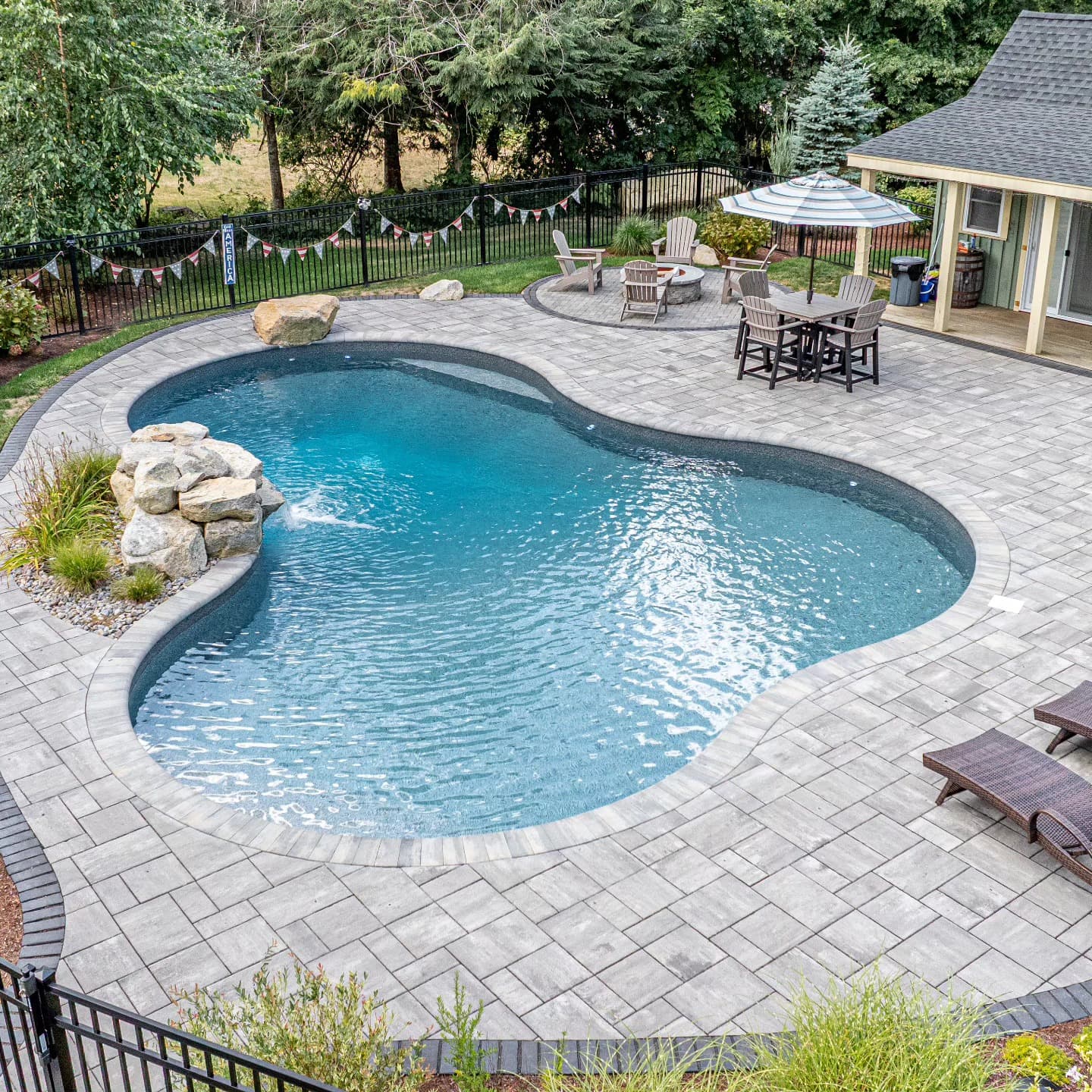
Vista Swimming Pools — Pool Construction in Southeastern Massachusetts and Cape Cod
We see this constantly in Halifax: a homeowner finds a backyard that looks ideal, but a drainage swale or a seasonal wet area near the property line pulls the project into Conservation territory. This isn't a dealbreaker, but it changes the timeline and the paperwork burden considerably.
Before you fall in love with a pool location in your yard, pull your property's GIS data from the Halifax town website and look at the wetland resource overlays. If there's any question, we'll walk the lot with you during a site visit. For more on how we approach permitting and planning across similar South Shore towns, our post on Key Considerations for Planning Your In-Ground Pool in Pembroke covers the broad framework well.
Frost Depth and Why It Matters for Your Plumbing
Massachusetts code requires a frost depth of 48 inches in this region, and that number isn't arbitrary. Halifax winters are cold enough to freeze unprotected plumbing solid, which means every supply and return line needs to be set at or below that depth — or properly sloped and drainable for winterization.
This is not a corner to cut. I've seen pools built by out-of-area contractors who ran plumbing at 24 or 30 inches. One bad winter, and you're replacing cracked PVC lines and fittings, often under a patio or hardscape. When we design a pool in Halifax, every underground run is planned with frost depth and proper slope-to-drain in mind from the start.
Your pool footings and wall panels also need to account for ground movement in frost-prone soil. For vinyl liner pools, the bracing and base preparation need to hold up through freeze-thaw cycles year after year.
Trees, Needles, and What They Mean for Filtration
Halifax lots are heavily wooded — mature oaks, white pines, and pitch pines are everywhere. That's part of what makes this town feel the way it does. It also means your pool will fight a constant battle with organic debris.
Pine needles are particularly problematic. They're light enough to blow past most covers, they tannin-stain water quickly, and they break down into fine particles that clog filters faster than leaf debris. If your pool is near established pines, plan on a higher-capacity filtration system than a standard-sized pool might otherwise need, and budget for more frequent backwashing or cartridge cleaning.
For Halifax pools surrounded by mature trees, we almost always recommend an automatic safety cover with a solid panel design rather than a mesh cover — it dramatically reduces the debris load during the shoulder seasons when trees are actively dropping. You can explore that option further through our safety cover installation service.
The Halifax Swim Season — and How to Extend It
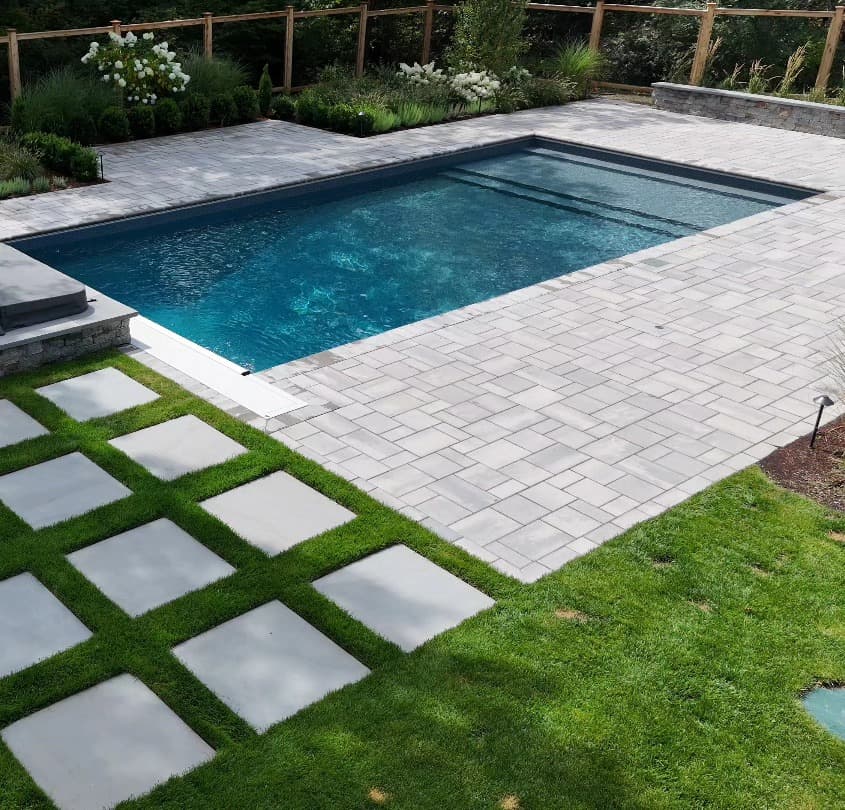
Professional pool services across Massachusetts
Without a heater, a realistic Halifax swim season runs Memorial Day weekend through mid-September. The water takes weeks to warm up naturally, and by late September, unheated pools are dropping back into the low 60s.
A gas heater or a heat pump changes that math considerably. With the right equipment, you're looking at a late April open through Columbus Day or beyond — adding six to eight weeks of genuine swimming to your season. For a pool that represents a significant investment, that extension is worth serious consideration.
Gas heaters heat faster but cost more to run. Heat pumps are more efficient but need ambient air temperatures above about 50°F to work well, which limits their usefulness on cold spring mornings. We typically recommend a hybrid approach — a heat pump for the shoulder seasons with a gas backup for cold snaps — but the right answer depends on your specific usage patterns.
For a look at how we approach construction planning and season timing, see our post on Spring Construction Prep: Getting Ready for Your Pool Build in Bridgewater, which covers scheduling logic that applies directly to Halifax projects.
Putting It All Together: What a Halifax Site Assessment Covers
Every custom pool project we take on in Halifax starts with a thorough site assessment. Here's what we're actually looking at:
- Soil and subsurface conditions — visual assessment, probing, and sometimes a test pit to identify rock, clay layers, or high water table zones
- Wetland proximity — flag any resources that trigger Conservation Commission review
- Utility locations — Dig Safe markouts for gas, electric, water, and sewer lines
- Grading and drainage — how the yard sheds water today, and how pool deck drainage will be managed
- Tree canopy — proximity of root systems and overhead debris load
- Equipment placement — where the pad, heater, and filtration equipment will live, accounting for setbacks and access
None of this is bureaucratic box-checking. Each item on that list has caused a real problem on a real Halifax project at some point. The assessment is how we price accurately and build without surprises.
For all the specifics of what we offer in town, visit our Halifax pool services page.
Ready to See What Your Halifax Lot Can Do?
If you're thinking about a pool for next season, late summer is exactly the right time to start. Site assessments, permit applications, and design work take time, and contractors who do quality work in Halifax fill their calendars early.
Get a Free Estimate and let's take a look at what your property is working with. We'll give you straight answers about what we find — including the parts that are complicated — so you can make a real decision with real numbers.
Ready to Get Started?
Contact Vista Swimming Pools for a free, no-obligation estimate on your pool project. Over 20+ years of experience serving Southeastern Massachusetts and Cape Cod.